What Are the Three Stages of AI Use?
Web AI, configured projects and an operating system. Stage one is an assistant in a browser tab, used by conversation and copy-paste. Stage two is a workspace that holds your instructions and context, so the assistant opens already briefed. Stage three is a system on your own machine that works in your files and tools and runs scheduled work.
What separates the stages is not the model: the same model can sit behind all three. The difference is where the AI sits relative to your work — how much of the work it can see, what it is allowed to do with it, and whether anything it learns stays with you once the conversation ends.
That makes it a map of architecture, not of ambition or skill, and a different map from the three zones in Engineer Trust, which place each workflow by its judgement, its audience and its failure mode. The zones describe what AI should do with each piece of work; the stages describe where the AI doing that work lives. The full map, with what the crossing looks like inside a firm, is From the Web to the Workshop. This page is about the question the film builds to.
Why Does Stage One Never Compound?
Because nothing it produces is kept anywhere the firm can build on. Used the way the film describes — copy in, paste out — the context is typed in again at the start of each conversation, a prompt that works stays in one person's notes, and the answer is pasted into the real document before the tab is closed. Each exchange can be excellent; none of them makes the next one easier.
Compounding has the opposite shape. Work compounds when this week's effort makes next week's cheaper: context written down once and read every time after, a tool built from a job done three times, a routine that does the preparation before anyone asks. At stage one the saving is real, but it is paid out once, per answer, and then it is gone.
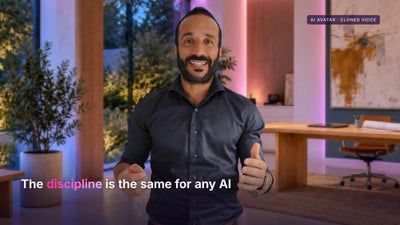
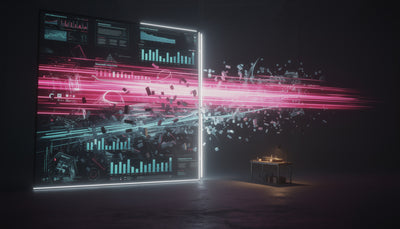
The film is careful about what stage one lacks. It calls web AI powerful, but at arm's length from your files, your folders and your actual work. An earlier cut said "disconnected from". I changed that phrase before the film went out, because it claimed more than is true now that browser assistants have connectors that reach into cloud storage such as Google Drive. The corrected sentence was generated in the same cloned voice and fitted into the same window of about 5 seconds, so the rest of the film's timing did not change.
Arm's length is the right distance to describe. Connectors now reach into services such as Google Drive and Microsoft 365, and some can edit documents in place, so the assistant can touch your work. It still works from the outside: through the access each connection was granted and the operations it permits, from a conversation that lives in the vendor's product. The conversation, its history and the assistant's own memory stay in that product; anything the firm wants to keep in its own files has to be saved or exported there, one deliberate step at a time.